
FishyHub
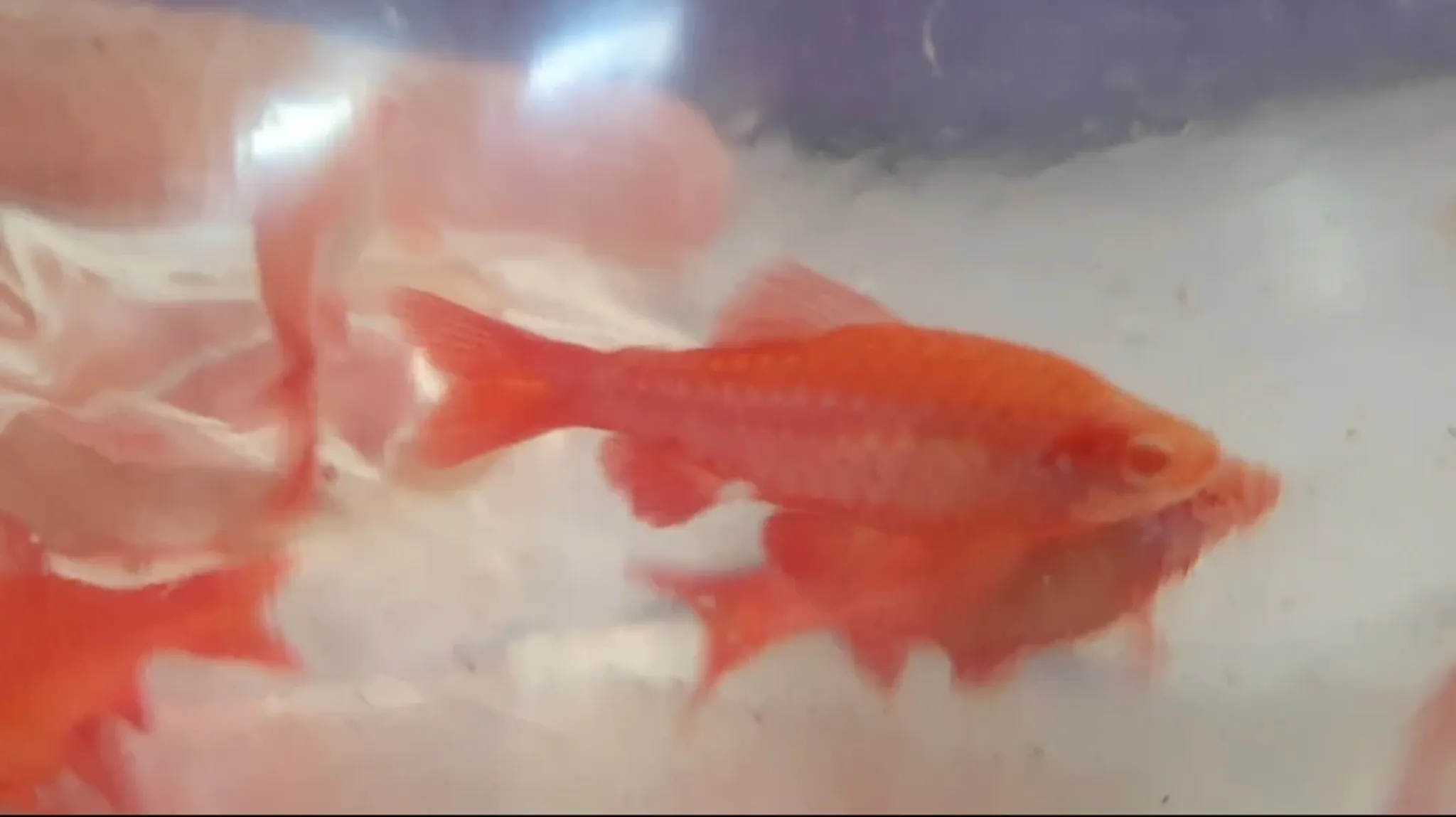
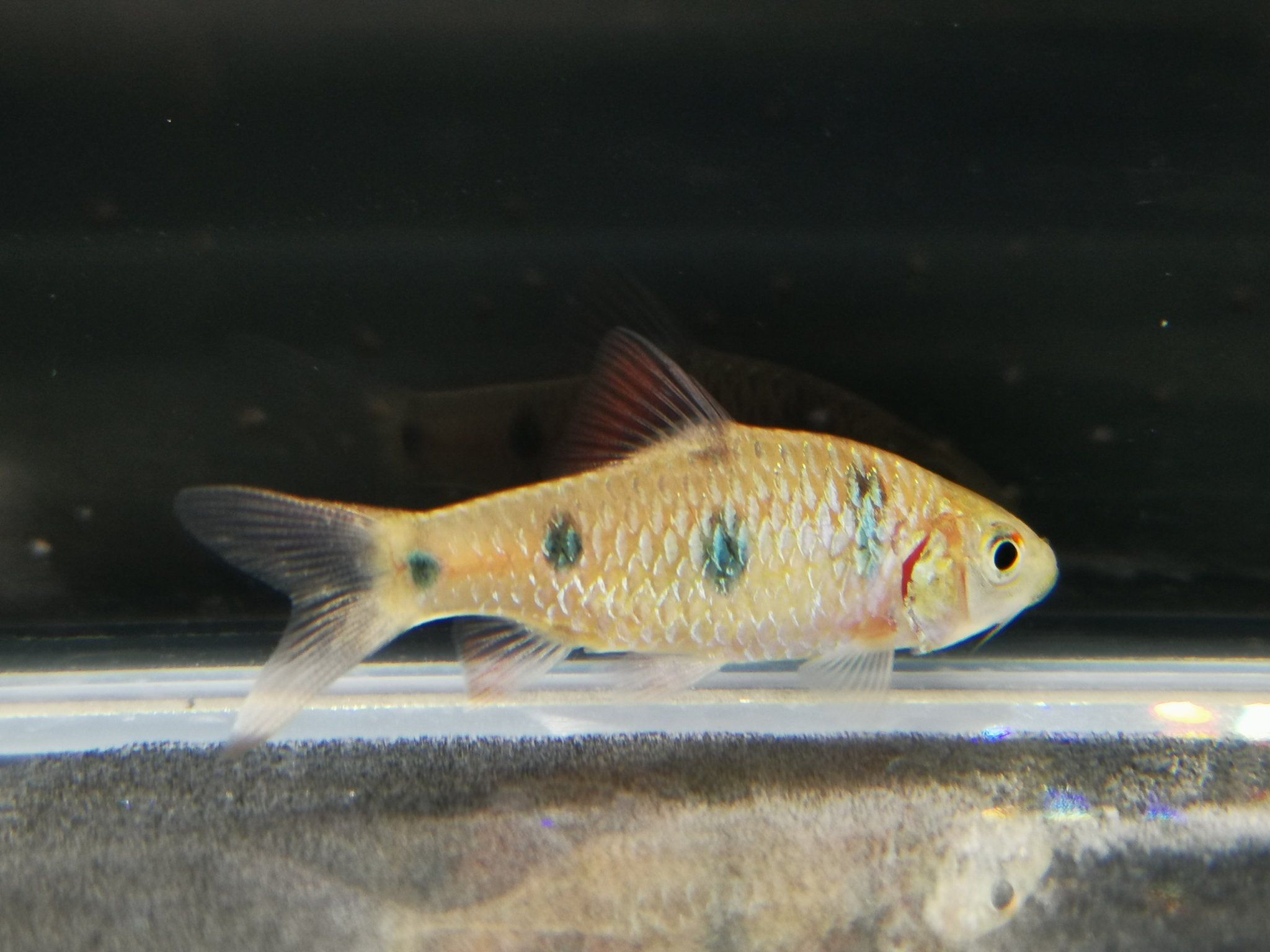
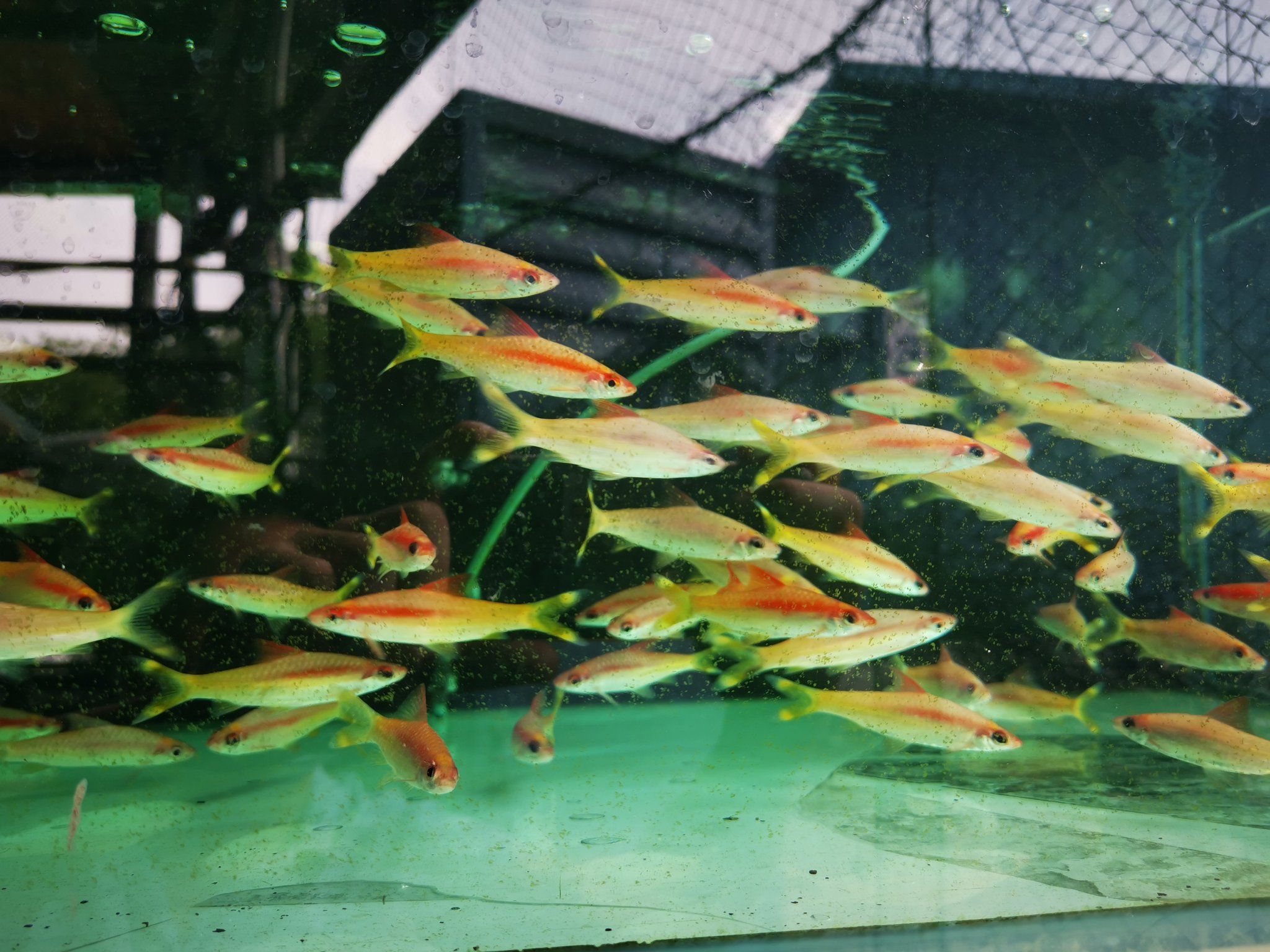
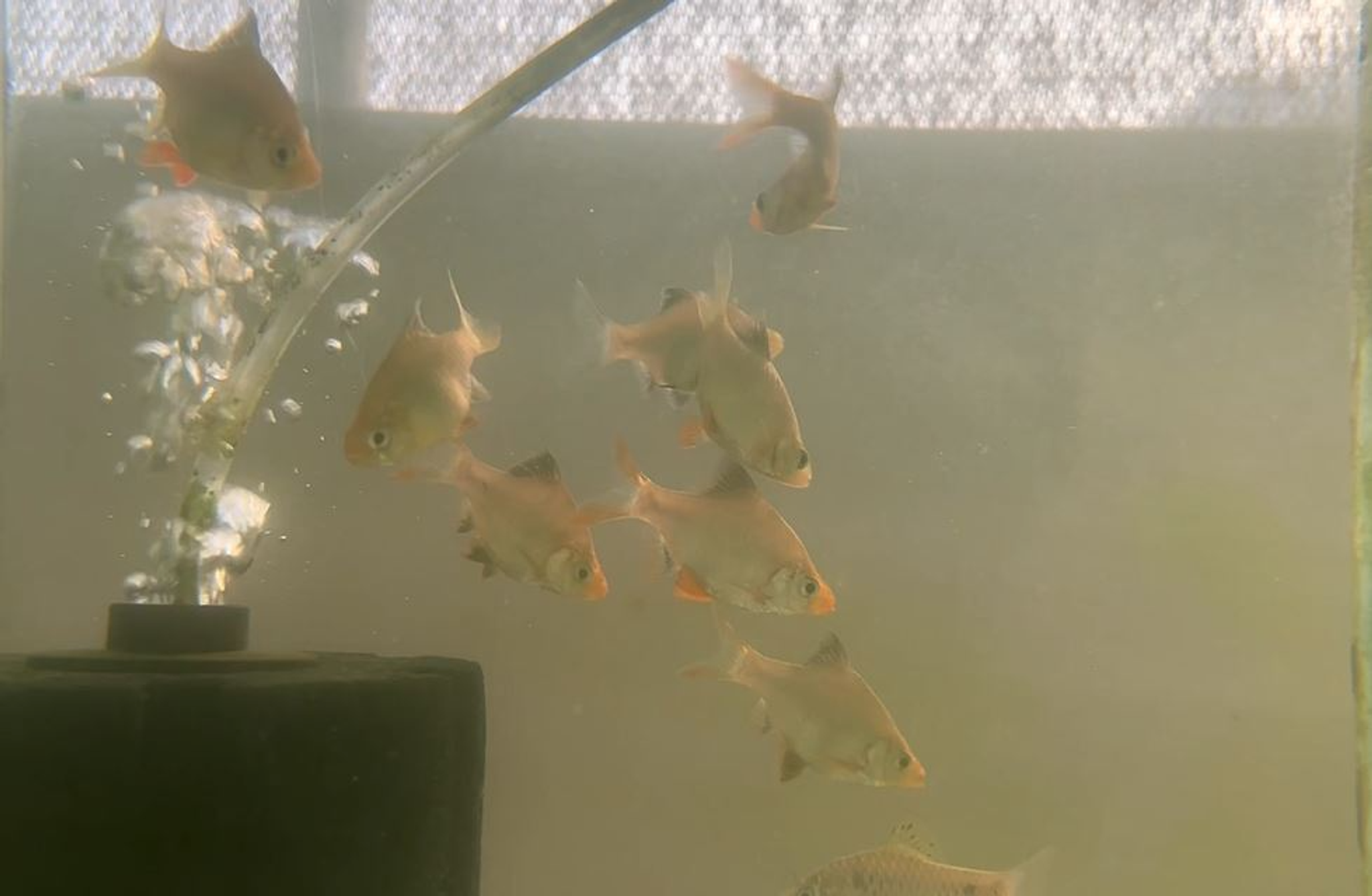
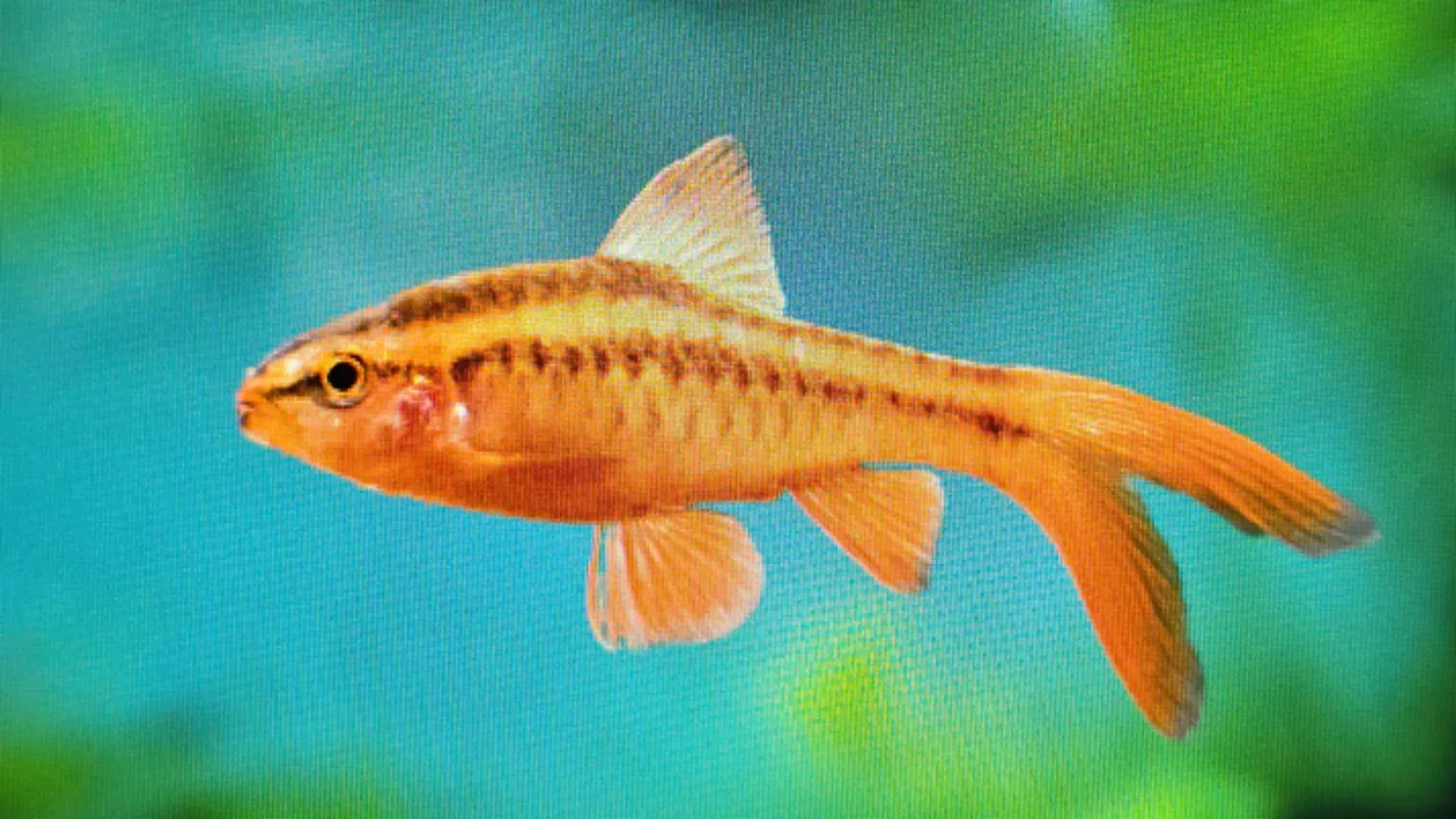
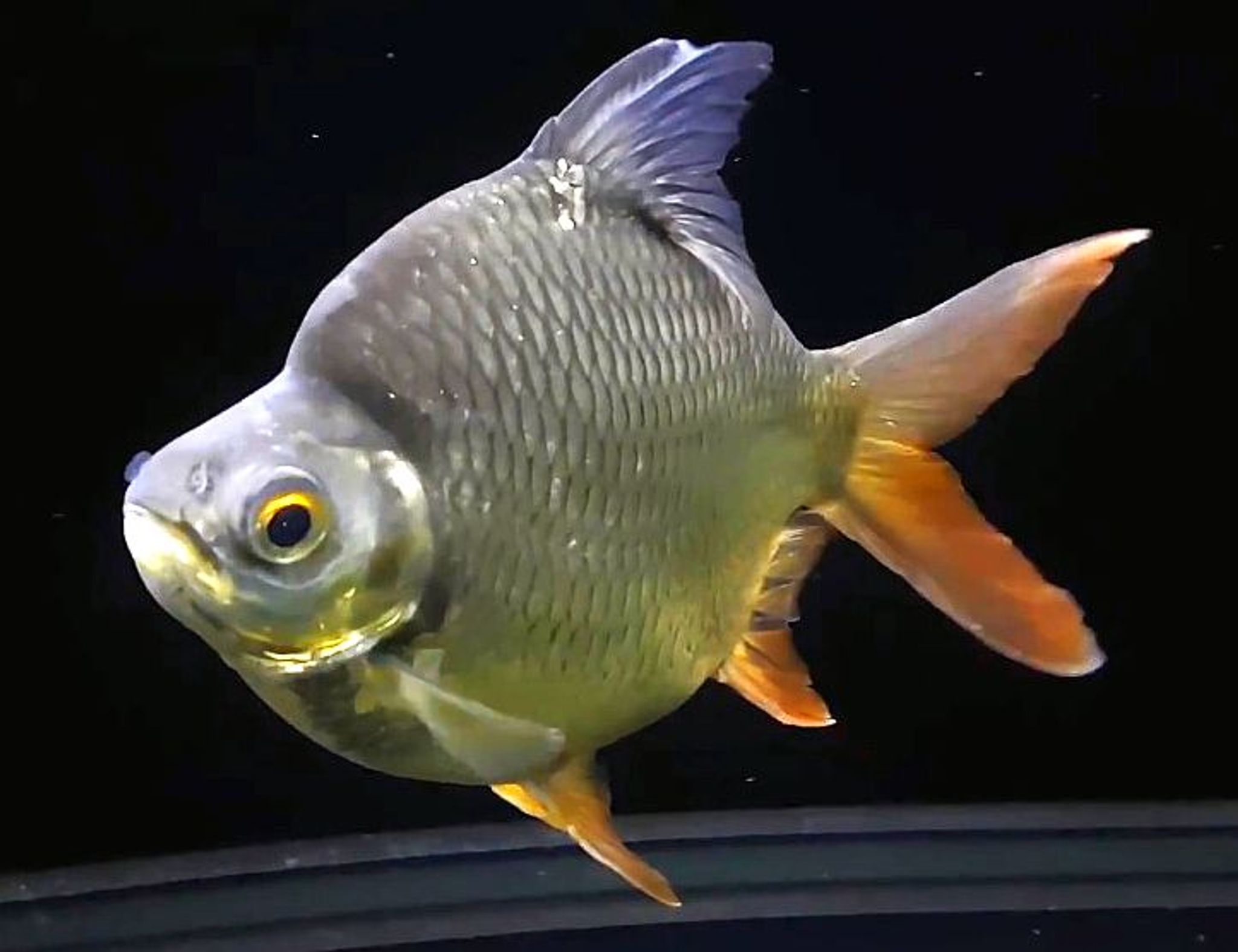
Red Rosy Barb
Click to enlarge

Unless otherwise stated, product might differ from image as image is representative of species and not of actual product

Red Rosy Barb

SGD 1.50
2+ in carts

Delivery Information

Delivery takes 3 to 7 working days. Delivery fees will be shown upon checkout. For Orchard / town / CBD areas, there will be additional $10 charges due to parking, ERP, traffic congestion, condo waiting time, etc.

Product Variations

Quantity

Stock: 70

Product Details

Size

4cm - 5cm

Temperament

Peaceful

WYSIWYG

Representative Photo Only

Product Description

Red Rosy Barb fish for aquariums—hardy, vibrant, and active schooling fish ideal for community tanks, easy care, and perfect for beginners.


📌 Detailed Product Description

  • Species Overview & Visual Appeal

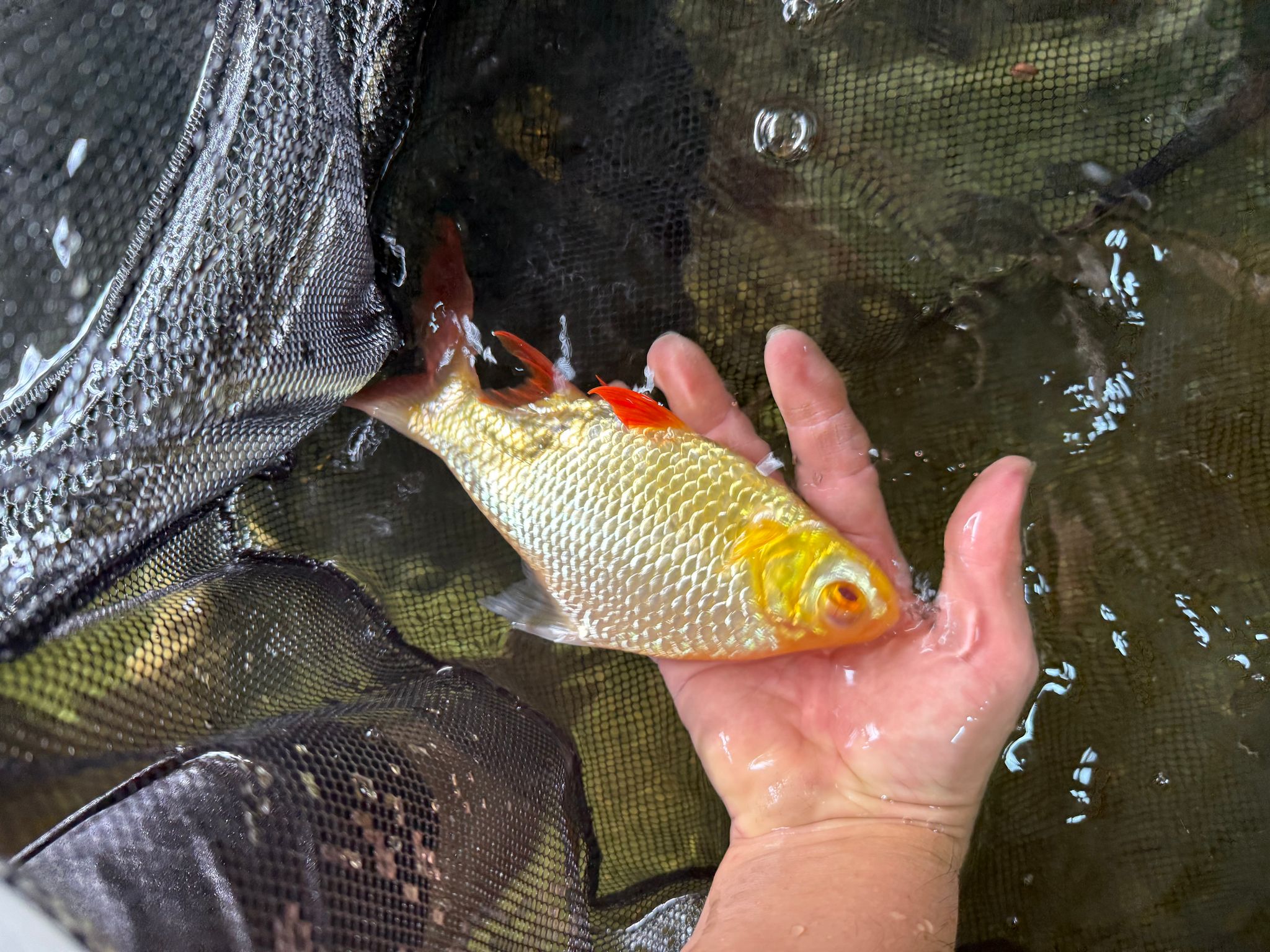
    • The Red Rosy Barb (Pethia conchonius) is one of the most visually striking freshwater aquarium fish, especially the males, which develop a deep ruby-red coloration during maturity and breeding periods.

    • Their shimmering scales reflect light beautifully, creating a dynamic, almost metallic glow that adds movement and energy to any aquarium.

    • Females are slightly more subdued with a golden-pink hue, providing a natural contrast that enhances the overall look of a school.

    • Known for their active swimming patterns, they bring constant motion to mid-level tank zones—this makes them excellent “display fish” for both beginners and experienced aquarists.


  • Behavior & Temperament

    • Rosy Barbs are peaceful but energetic, making them ideal for community tanks.

    • They are a schooling species, and should be kept in groups of at least 5–6 fish—larger groups (8–12) reduce fin-nipping tendencies and create more natural behavior.

    • While generally non-aggressive, they can occasionally nip fins if kept in small numbers or cramped environments.

    • They are highly active swimmers and need open space to move—this is not a “static aesthetic fish” but a kinetic centerpiece species.


  • Ideal Tank Conditions

    • Tank Size: Minimum 20 gallons (75L), but 30 gallons+ recommended for proper schooling behavior.

    • Temperature: 18°C – 26°C (they tolerate slightly cooler water better than many tropical fish).

    • pH Range: 6.0 – 7.5 (slightly acidic to neutral preferred).

    • Water Hardness: Soft to moderately hard (5–19 dGH).

    • Filtration: Moderate flow preferred—they enjoy gentle currents.

    • Aquascape Setup:

      • Combine open swimming space with planted edges.

      • Use hardy plants like Java Fern or Vallisneria.

      • Dark substrate enhances their red coloration dramatically (pro tip for visual impact).

    • They are quite hardy and adaptable, making them forgiving for beginners, but still rewarding for advanced aquascaping setups.


  • Tank Mates (Compatibility Strategy)

    • Best suited for peaceful community tanks with similarly sized, active fish.

    • Ideal Tank Mates:

      • Tetras (e.g., Neon, Rummy Nose)

      • Rasboras

      • Corydoras catfish

      • Danios

      • Gouramis (non-aggressive species)

    • Avoid:

      • Slow-moving fish with long fins (e.g., Betta, Angelfish) → risk of fin nipping

      • Very small shrimp or fry → may be seen as food

    • Advanced Insight:

      • Rosy Barbs behave best when they are the “fastest but not dominant” species in the tank—pair them with fish that can match their pace but not trigger competition.


  • Feeding Habits & Nutrition

    • Rosy Barbs are omnivores with a strong appetite, making them easy to feed.

    • Diet should include:

      • High-quality flakes or pellets (daily staple)

      • Live or frozen foods (2–3 times per week):

        • Bloodworms

        • Brine shrimp

        • Daphnia

      • Plant-based supplements:

        • Blanched spinach or zucchini

        • Spirulina-based foods

    • Feeding Frequency: 1–2 times daily, only what they can consume within 2–3 minutes.

    • Optimization Tip:

      • A protein-rich diet enhances their red coloration significantly—this is a key lever if you want “show-grade” fish aesthetics.


  • Care & Maintenance

    • Water Changes: 20–30% weekly to maintain optimal water quality.

    • Resilience: Extremely hardy—tolerates fluctuations better than many tropical fish.

    • Disease Resistance: Generally robust but can be susceptible to common freshwater diseases like ich if water quality drops.

    • Monitoring:

      • Look for fading color → often a sign of stress or poor diet.

      • Erratic swimming → could indicate water parameter issues.

    • Breeding (Optional Advanced Use Case):

      • Egg scatterers—easy to breed in separate tanks.

      • Males intensify in red coloration during courtship, making breeding setups visually stunning.


  • Why This Fish is a High-Quality Choice (Opinionated Take)

    • If you’re building a visually dynamic aquarium, Rosy Barbs outperform many “beginner fish” like guppies or mollies in terms of movement and presence.

    • They hit a rare sweet spot:

      • Hardy like beginner fish

      • Visually striking like premium species

      • Active like schooling fish

    • The only real trade-off is fin-nipping risk, but this is easily mitigated with proper schooling size and tank design.


  • Who Should Buy This

    • Beginners who want a low-risk, high-reward fish

    • Intermediate hobbyists designing a community aquascape

    • Anyone who values movement + color over exotic rarity

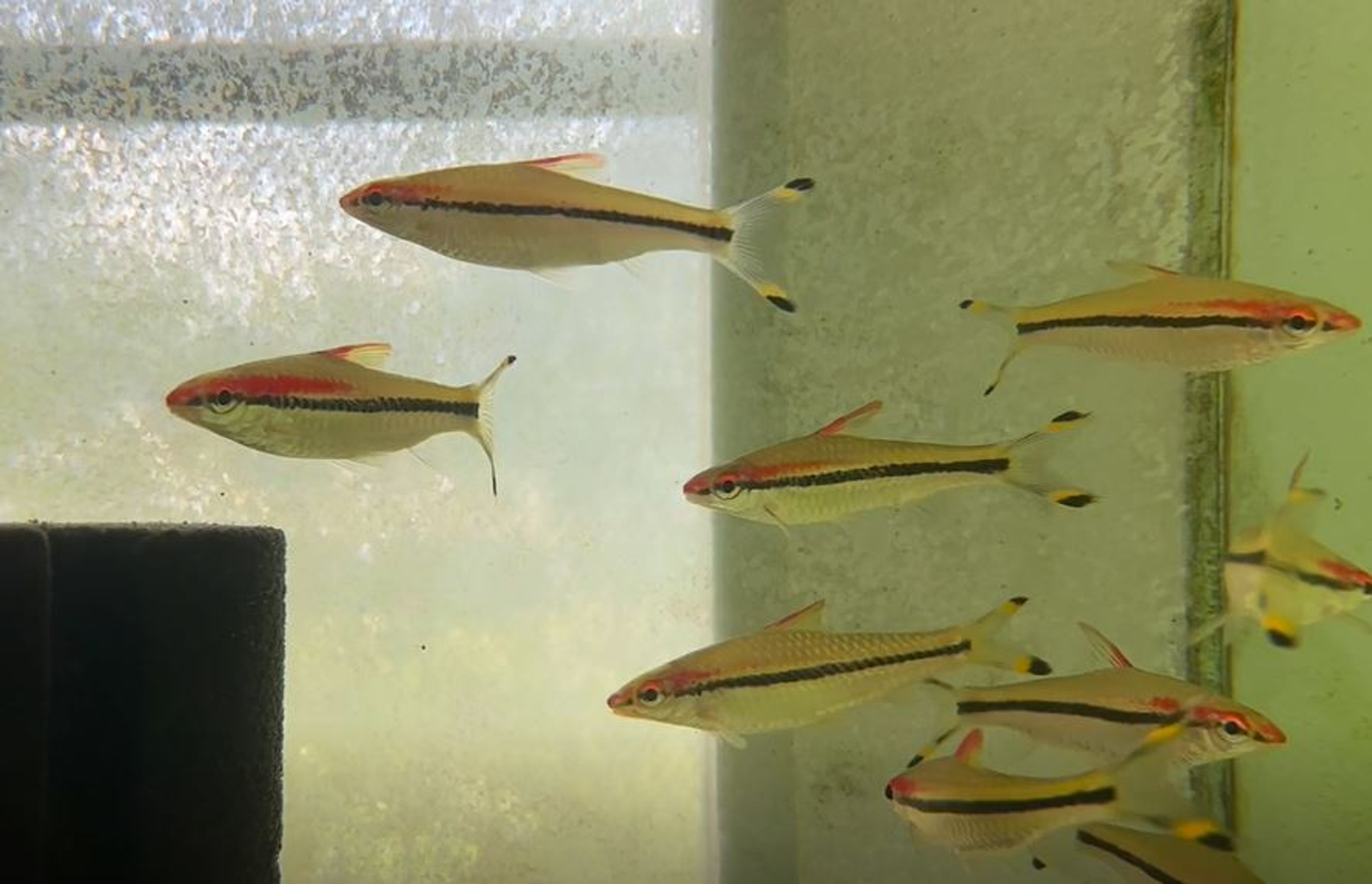
Suitable Tank Mates for Red Rosy Barb
You May Also Like